
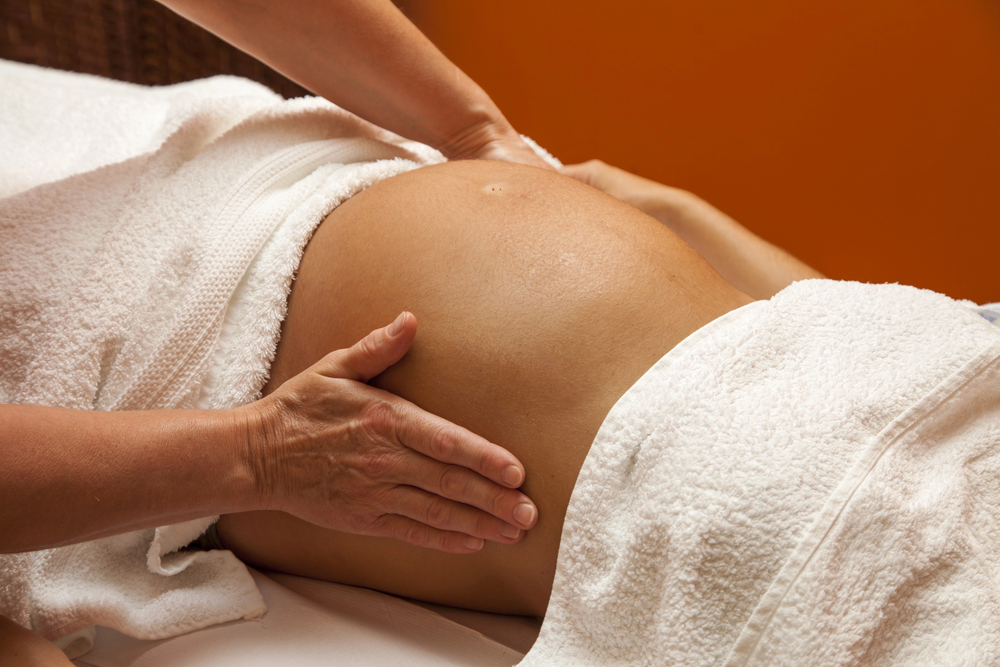
“When can I get a prenatal massage?” is one of the most common questions people have during pregnancy, and the answer depends on your trimester, health history, and healthcare provider’s guidance. At Prana Endura, we work with pregnant people throughout all stages of pregnancy to provide safe, supportive bodywork tailored to exactly where you are.
The Short Answer: Most Therapists Recommend Waiting Until the Second Trimester
Many massage therapists prefer to wait until the second trimester before beginning pregnancy massage. The first trimester carries a naturally higher risk of miscarriage, and while massage does not cause miscarriage, many practitioners choose to err on the side of caution. This is not a universal rule, and some therapists do work with first-trimester clients using appropriate modifications. The most important step is to consult your healthcare provider before booking, especially if you have a high-risk pregnancy or known complications.
Prenatal Massage by Trimester
Understanding what is happening in your body at each stage helps explain why timing and technique need to shift throughout pregnancy.
First Trimester (Weeks 1-12): Proceed With Caution
The first trimester brings rapid hormonal change, frequent nausea, and heightened sensitivity. Most massage therapists will not work with first-trimester clients without explicit clearance from a healthcare provider, and some decline altogether. If massage is appropriate during these weeks, it should be very gentle, focused on relaxation, and should avoid any pressure points that are contraindicated in early pregnancy. When in doubt, check with your care team before booking.
Second Trimester (Weeks 13-26): The Safest and Most Comfortable Time
The second trimester is widely considered the ideal window for prenatal care through massage. Morning sickness typically eases, energy returns, and the body is stable enough to benefit from consistent bodywork. Swedish massage techniques adapted for pregnancy work well here, improving circulation, easing the aches and pains that come with a growing belly, and supporting better sleep. Most clients find this trimester the most comfortable for massage because positioning is still manageable and the body feels more settled.
Third Trimester (Weeks 27-40): When You Need It Most
By the third trimester, the physical demands of pregnancy peak. Lower back pain, leg swelling, sciatic nerve pain, and general discomfort intensify as the baby grows. Prenatal massage during these weeks focuses on pain relief and stress reduction. Sessions are adapted to accommodate the belly, typically with the client lying on their side with pillow support. Research suggests that regular prenatal massage in the third trimester may improve labor outcomes and positively affect birth weight.

How Often Should You Get a Prenatal Massage?
Most practitioners suggest once a month during the second trimester, increasing to every two weeks or weekly in the third trimester as discomfort builds. If you are managing specific concerns like sciatic nerve pain or high blood pressure, with your provider’s approval, more frequent sessions may help. The benefits of prenatal massage build over time, so regular prenatal massage throughout pregnancy produces more meaningful results than occasional visits. Visit our services page to explore session options.
Benefits of Prenatal Massage at Every Stage
Prenatal massage does more than help you relax. The benefits of prenatal massage span the physical and emotional, and research supports its role as a meaningful part of prenatal care.
Physical Benefits
Pregnancy massage improves circulation and supports healthy blood flow to both mother and baby. It eases muscle tension and the aches and pains that come with postural changes, reduces swelling, and relieves pressure on the sciatic nerve. Some studies suggest that regular prenatal massage may reduce stress hormones in ways that positively affect birth weight and may improve labor outcomes.
Emotional and Mental Benefits
Pregnancy brings enormous emotional shifts. Anxiety about birth, physical changes, and approaching parenthood are real stressors. Massage therapy provides a quiet space to reduce stress and feel genuinely cared for. Many clients describe their prenatal sessions as one of the only times during pregnancy when they felt fully present in their bodies in a positive way. That kind of grounding is one of the most underappreciated benefits of prenatal massage.
When to Avoid Prenatal Massage
Prenatal massage is not appropriate for everyone. Avoid or postpone massage if you have a high-risk pregnancy, preeclampsia, blood clots, placenta previa, or unexplained bleeding. High blood pressure that is not well-managed is also a contraindication. The risks of prenatal massage are low when a trained therapist performs the session, but they are not zero. When in doubt, always wait for clearance from your care provider before booking.
What to Tell Your Massage Therapist Before Your First Session
Before your session, your massage therapist needs to know your due date, your trimester, whether your pregnancy is high risk, any conditions you are managing, areas of discomfort you want addressed, and whether your provider has cleared you for massage. At Prana Endura, we take our intake process seriously and ask these questions before we begin. The more we know, the more effectively we can tailor the session to you.
What to Expect During a Prenatal Massage at Prana Endura
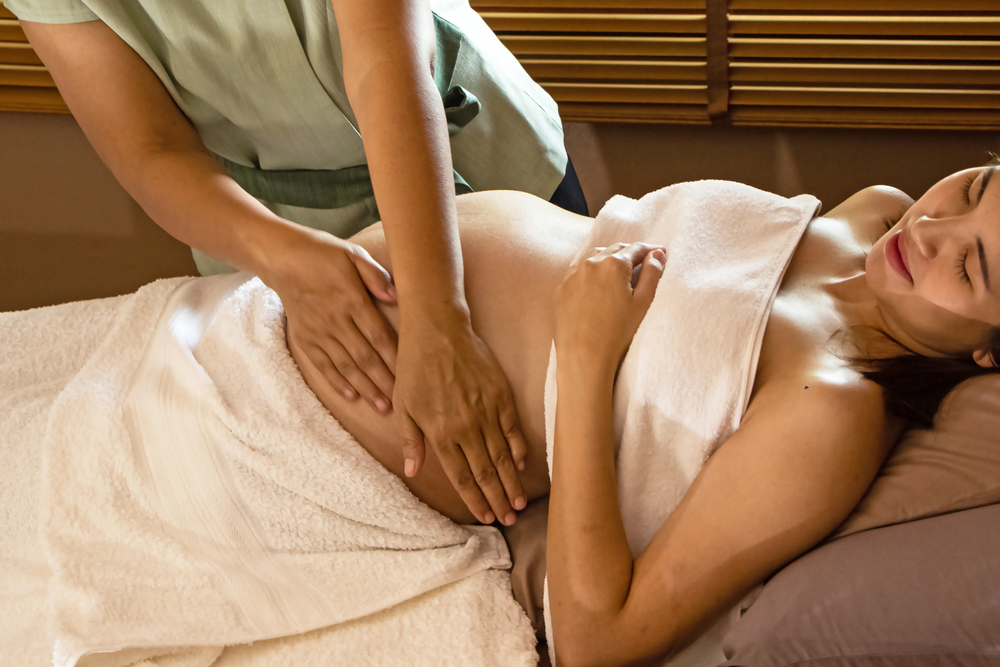
Your session begins with a conversation about your pregnancy, symptoms, and what you are hoping to address. You will be positioned comfortably on your side with pillow support in a warm, quiet room. We use gentle massage therapy techniques adapted for each trimester, adjusting our approach based on your feedback. Most clients leave feeling calmer, less achy, and more at ease in their bodies. Sessions typically run 60 to 90 minutes. Contact us to talk through what to expect.
What Comes Next: Postpartum Massage After Delivery
Support does not have to end at delivery. Postpartum massage helps the body recover after birth, addressing residual tension, supporting hormonal balance, and giving new mothers space to rest. Many of the techniques used during pregnancy massage carry over beautifully into the postpartum period.
Ready to Book Your Prenatal Massage?
Whether you are building your prenatal care plan or deep in your third trimester and ready for relief, we are here. Our team is trained to support you through every stages of pregnancy with care that is safe and genuinely restorative. Visit our booking page to get started.
Frequently Asked Questions
Can I get a prenatal massage in my first trimester?
You can, but it requires caution and your healthcare provider’s clearance. The first trimester is a sensitive time, and many massage therapists prefer not to work with clients during these weeks due to the naturally higher risk of miscarriage. Massage does not cause miscarriage, but most therapists err on the side of caution. If your provider clears you and you find a therapist experienced with high-risk pregnancy considerations, gentle first-trimester work is possible. When in doubt, wait until the second trimester.
Is prenatal massage safe in the third trimester?
Is prenatal massage safe in the third trimester? Yes, for most people. The third trimester is actually when pregnancy massage tends to be most needed and most beneficial. It addresses sciatic nerve pain, lower back pain, swelling, and fatigue, and supports the body as it prepares for labor. Sessions are fully adapted to your stage and comfort level. As always, let your massage therapist know about any conditions you are managing and confirm clearance with your provider if your pregnancy is high risk.
How often should I get a prenatal massage during pregnancy?
It depends on where you are in your pregnancy and what you are working through. Most practitioners suggest monthly sessions during the second trimester and increasing to every two weeks or weekly in the third trimester as discomfort intensifies. The benefits of prenatal massage accumulate with consistency, so regular prenatal massage tends to produce better results than sporadic sessions. If you are managing specific concerns like sciatic nerve pain or elevated blood pressure, talk to your care team about what frequency makes sense for you.
What are the benefits of prenatal massage?
The benefits of prenatal massage include improved blood flow and circulation throughout the body, relief from aches and pains caused by postural changes, reduced swelling in the legs and feet, sciatic nerve pain relief, and better sleep. Emotionally, it provides a meaningful opportunity to reduce stress and feel supported. Research also suggests it may improve labor outcomes and contribute to healthier birth weight. These benefits make pregnancy massage a valuable part of a broader prenatal care routine.
Will a prenatal massage induce labor?
This is a common concern, and the short answer is no. A skilled massage therapist trained in prenatal work will avoid the specific pressure points that are sometimes associated with uterine stimulation. The goal of prenatal massage is relaxation, pain relief, and support, not stimulation. Some people worry that massage may put pressure on areas that trigger contractions, but when performed properly by someone trained in pregnancy massage, the risks of prenatal massage are very low. Always choose a therapist with specific prenatal training.