
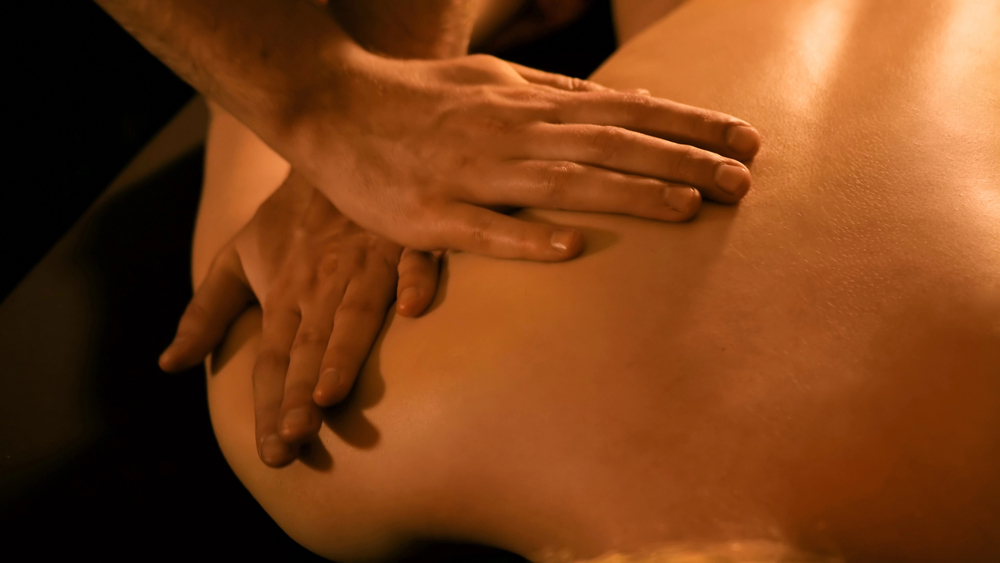
A frozen shoulder massage may be exactly what your recovery needs if your shoulder has been aching, stiffening, and limiting your movement for months. Frozen shoulder, clinically known as adhesive capsulitis, affects millions of people and can sideline you from work, exercise, and daily activities. The condition is stubborn, but massage therapy gives your body a real advantage in healing faster and more completely than waiting it out alone.
What Is Frozen Shoulder and Why Does It Take So Long to Heal?
Frozen shoulder develops when the connective tissue surrounding the shoulder joint thickens, tightens, and forms adhesions that restrict movement. Unlike a muscle strain, this condition affects the joint capsule itself, which has poor blood flow and heals slowly. Without intervention, it can drag on for one to three years, growing harder to treat the longer the adhesions have to solidify.
The Three Stages of Frozen Shoulder
Frozen shoulder progresses through three distinct phases. The freezing stage brings increasing pain and stiffness over two to nine months. Next comes the frozen stage, when pain may plateau but stiffness peaks and daily activities feel difficult or impossible. Finally, the thawing stage arrives, and mobility gradually returns over five to twenty-four months. Each stage responds differently to treatment, so understanding where you are in the process matters.
Why Waiting It Out Is Not Always the Best Option
Frozen shoulder can resolve on its own, but that does not mean sitting it out is the right call. The longer adhesions tighten and shorten the joint capsule, the harder full recovery becomes. Research consistently supports early intervention. Massage therapy for frozen shoulder is one of the most accessible ways to take an active role in your recovery and shorten the timeline in a meaningful way.
How Massage Therapy Helps Frozen Shoulder
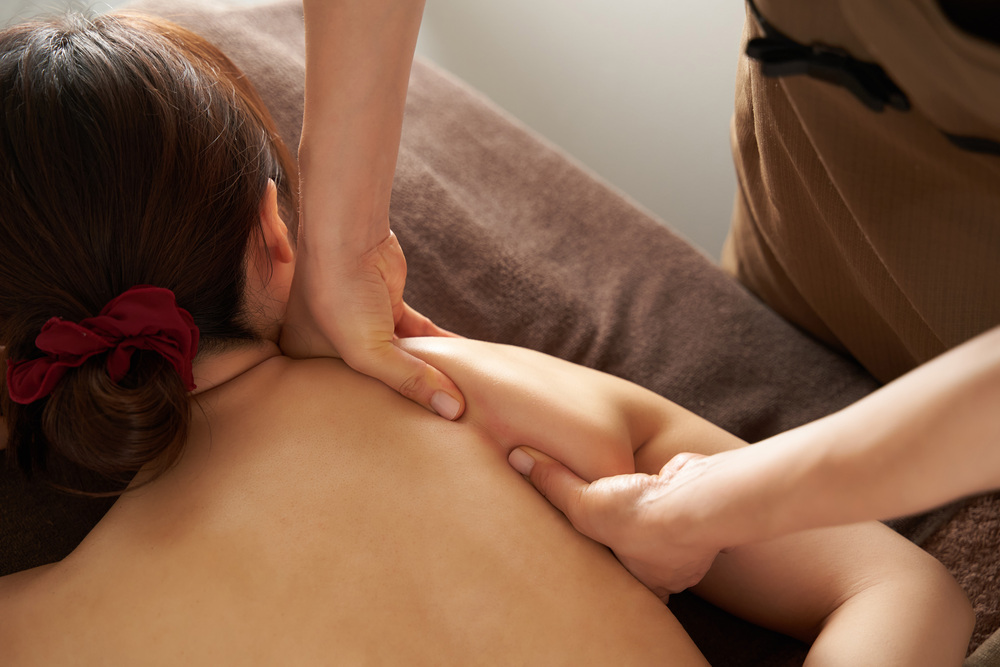
Massage works on frozen shoulder through several mechanisms at once. It targets the soft tissue in the affected area, reduces muscle guarding, breaks up adhesions, and improves blood flow to a joint that heals slowly on its own. Most people notice reduced pain and improved movement after a series of sessions, especially when treatment starts early.
Reducing Pain and Muscle Tension Around the Joint
When the shoulder hurts, the muscles surrounding the shoulder compensate by tightening up. This protective guarding creates secondary pain throughout the neck, upper back, and chest. Massage works to relax muscles throughout these compensating areas, reducing the overall pain load and making it easier for the affected shoulder to begin moving again without fighting layers of built-up tension.
Breaking Up Adhesions and Scar Tissue
Deeper massage techniques apply sustained pressure to the connective tissue around the shoulder joint, gradually softening the adhesions that keep it locked. Each session builds on the last. Clients often find that after several weeks of consistent care, movements they could not perform at the start of treatment become available again as the joint capsule slowly releases.
Improving Circulation and Restoring Range of Motion
Limited blood flow is one reason the affected shoulder heals so slowly. Massage improves circulation to the area, delivering the oxygen and nutrients the tissue needs to repair. Over time, this improvement in blood flow, combined with reduced adhesions and less muscle guarding, produces measurable gains in range of motion that patients can feel in their everyday lives.
Best Massage Techniques for Frozen Shoulder
Treating frozen shoulder effectively takes a tailored combination of massage techniques. A skilled therapist at Prana Endura selects approaches based on your stage and how your shoulder responds, often drawing from several in a single session rather than sticking with just one method throughout.
Swedish Massage
Swedish massage uses long, flowing strokes and lighter pressure to warm up the soft tissue and improve blood flow before deeper work begins. During the freezing stage, when direct pressure on the joint is too uncomfortable, Swedish techniques still deliver meaningful benefits by calming the nervous system, improving circulation, and helping the surrounding muscles begin to relax.
Deep Tissue Massage
Deep tissue massage reaches the deeper layers of muscle and connective tissue where adhesions form and tighten. It uses slow, focused pressure to work through restrictions without overwhelming the area. If you want to understand the full range of deep tissue massage benefits before booking, it helps to know this technique tends to work best in the frozen and thawing stages, when the shoulder can tolerate more direct work.
Myofascial Release
Myofascial release targets the network of connective tissue that surrounds every muscle and joint in the body. With frozen shoulder, fascial restrictions around the shoulder joint often contribute to that locked, pulling sensation limiting arm movement. Sustained, gentle pressure from the therapist allows the fascia to gradually release, restoring length and mobility to tissue that has tightened and shortened over months.
Trigger Point Therapy
Trigger points are tight, painful knots that develop in muscle fibers and refer discomfort to other parts of the body. Frozen shoulder commonly produces trigger points in the rotator cuff, upper trapezius, and surrounding muscles. Trigger point therapy applies precise pressure directly to these spots, releasing tension and often delivering immediate pain relief that carries forward into improved shoulder movement and better sleep.
How Massage Therapy Should Adapt at Each Stage of Frozen Shoulder
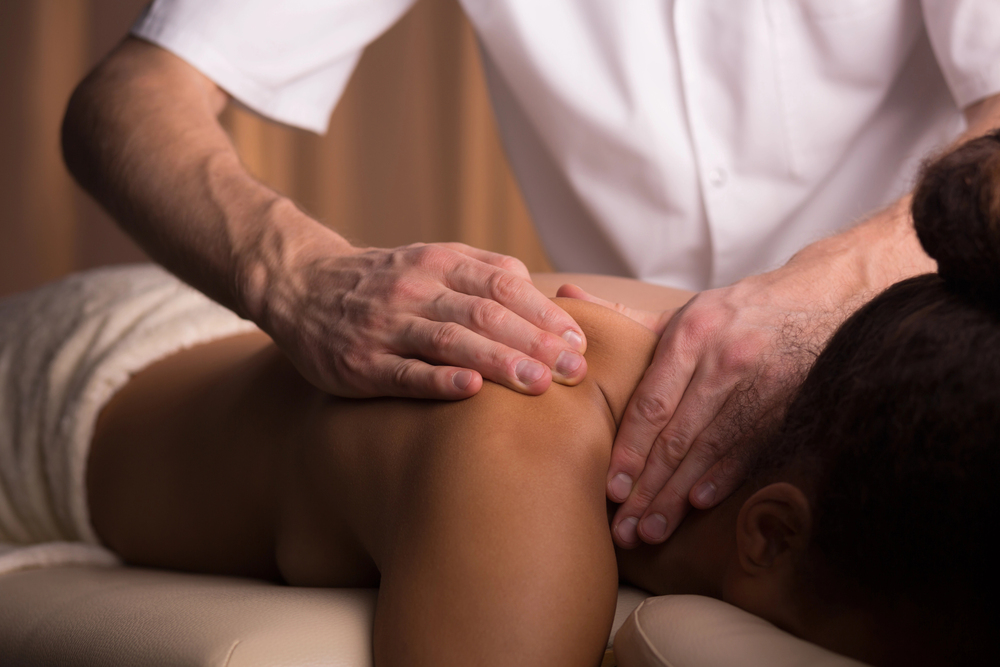
The technique your therapist uses should shift as your shoulder changes. In the freezing stage, the priority is pain management and gentle circulation support. Lighter work helps without irritating an already inflamed joint. During the frozen stage, more direct techniques targeting the joint capsule and deeper connective tissue become appropriate. By the thawing stage, the therapist can work more aggressively to address remaining adhesions and rebuild full mobility. A good therapist reassesses your shoulder regularly and adjusts the treatment plan to match where you are.
When to Be Cautious With Frozen Shoulder Massage
Massage is safe for most people with frozen shoulder, but some situations call for extra care. If your shoulder is acutely inflamed and hot to the touch, deep direct work on the joint should wait until the acute phase settles. People with diabetes, autoimmune conditions, or post-surgical shoulders should speak with their doctor before starting massage. At Prana Endura, your therapist takes a thorough health history before the first session to keep your treatment safe and appropriate from the start.
How Massage Works Alongside Other Treatments
Frozen shoulder responds best when you combine therapies. Massage pairs naturally with physical therapy, home stretching routines, and medical care when needed. The science of massage consistently shows that manual therapy increases the effectiveness of movement-based rehab by preparing the tissue and reducing pain before exercise. Many clients at Prana Endura use massage to loosen the shoulder before physical therapy sessions and to manage soreness in between appointments, treating each approach as complementary rather than competing.
Book a Frozen Shoulder Massage at Prana Endura
You don’t have to wait years for your shoulder to thaw on its own. Our massage therapists in Chico work with shoulder conditions every day and know how to meet you where you are in recovery. Whether you’re managing early stiffness or dealing with months of limited mobility, we can help. Book a session today, and we can build a treatment plan that moves your shoulder forward.
Frequently Asked Questions
Does a massage help a frozen shoulder?
Yes, massage genuinely helps with frozen shoulder recovery. It addresses several issues at once: softening the adhesions that restrict the joint capsule, reducing muscle tension in the tissue surrounding the shoulder, improving blood flow to an area with poor circulation, and managing pain throughout the process. Most people don’t experience dramatic results from a single session, but after several treatments they notice real improvements in how far they can move and how much daily activities hurt. Massage therapy tends to work best as part of a broader plan that includes stretching and movement work alongside hands-on treatment.
What type of massage is best for frozen shoulder?
There is no single best type of massage for frozen shoulder. A skilled therapist typically combines massage techniques based on your recovery stage and how the shoulder responds session to session. Swedish massage improves circulation and warms up the tissue before deeper work. Deep tissue massage targets the connective tissue and muscle layers where adhesions form. Myofascial release addresses fascial restrictions that contribute to the locked feeling. Trigger point therapy releases specific muscle knots that refer pain into the shoulder and arm. Most clients at Prana Endura benefit from a session that draws on all of these approaches rather than staying with just one.
Can massage make frozen shoulder worse?
Massage can temporarily increase discomfort if too much pressure goes onto a highly inflamed joint. A trained therapist avoids pushing aggressively on a shoulder that is actively flaring. Some soreness after a deep session is normal and typically clears within a day or two. If pain worsens significantly and stays elevated for more than 48 hours after a treatment, let your therapist know so they can adjust. Good communication between you and your therapist helps the treatment plan stay appropriate at every stage of recovery. Massage should feel productive, not punishing.
How often should I get a massage for frozen shoulder?
Weekly sessions tend to work well in the early stages of recovery, giving progress a chance to build without overwhelming the tissue. As your shoulder improves and mobility returns, you may be able to move to every two weeks. Your massage therapist at Prana Endura will give you a specific recommendation after assessing your shoulder in person, since the best frequency depends on your stage of frozen shoulder, how your body responds to treatment, and what other therapies you’re combining with massage. Consistency matters more than any single session.
Should I get a massage during the freezing stage?
Yes, massage during the freezing stage can be very helpful, but the technique matters. This phase involves active inflammation and rapidly increasing stiffness, so aggressive deep work directly on the affected shoulder joint is not appropriate. Your therapist should focus on gently relaxing the muscles surrounding the shoulder, improving circulation, and reducing the overall pain load without irritating the tissue further. Swedish techniques and light myofascial work tend to be the most comfortable and effective during this stage. Staying in close communication with your therapist throughout the session helps them calibrate the pressure and approach in real time.
How long does it take for massage to improve frozen shoulder?
Results vary because every shoulder is different. Most people notice some reduction in muscle tension and mild pain relief after the first two or three sessions. More meaningful gains in range of motion typically take four to eight sessions or more, depending on how long the shoulder has been locked and how well the tissue responds. Frozen shoulder is a prolonged condition, and massage works progressively rather than in one dramatic breakthrough. Combining regular massage sessions with home stretching and physical therapy exercises tends to produce results faster than any single approach on its own.