
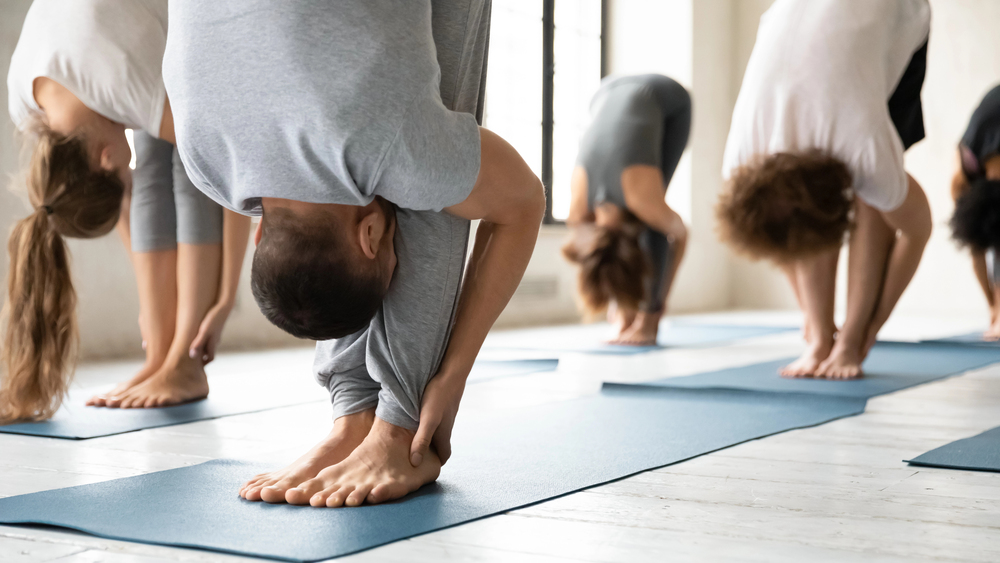
Is Vinyasa yoga hard? That question comes up almost every time someone considers trying the practice for the first time. The answer isn’t a simple yes or no, and that’s actually a good thing. Your experience in a vinyasa yoga class depends on a few things, and understanding them makes the whole thing feel a lot less intimidating. Whether you’re curious about signing up for one of Prana Endura’s yoga classes in Chico or just doing your research, here’s what you actually need to know.
The Honest Answer: It Depends, and Here Is Why
Everyone walks into vinyasa yoga with a different body, background, and set of expectations. That’s why two people can take the same class and have completely different experiences. The practice adapts to who you are, and what feels hard for one person feels energizing for another.
What Vinyasa Yoga Actually Is
Vinyasa is a style of flow yoga that links breath to movement. You move from one pose to the next in a continuous sequence, guided by each inhale and exhale. Unlike styles of yoga that hold yoga poses for several minutes at a time, vinyasa keeps you moving in a rhythm from beginning to end. It’s dynamic, intentional, and designed to work your whole body.
Why Some People Find It Challenging and Others Do Not
Someone with a strong fitness background might find the physical demands of vinyasa manageable but the breath awareness unfamiliar. Someone with a flexible body but limited strength might find the opposite. Stress levels, sleep, and even what you ate that day can affect how a class feels. It often comes down to what you bring with you on any given day.
What Makes Vinyasa Yoga Feel Hard for Beginners
The challenge of vinyasa isn’t one thing. It’s a combination of skills that work together all at once, and beginners are learning all of them at the same time.
The Breath and Movement Connection
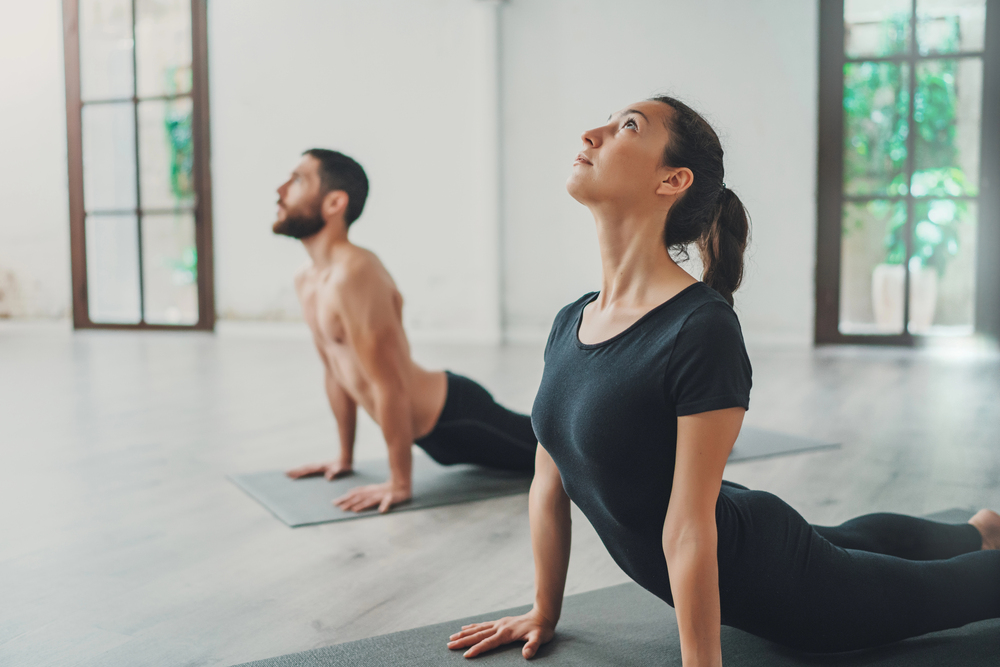
Vinyasa asks you to connect every movement to your breath. You don’t just breathe passively in the background. Each transition ties directly to an inhale and exhale, and keeping that connection steady while moving through new yoga poses takes real focus. Beginners often hold their breath when things get hard. Learning to breathe through it is one of the biggest early wins in vinyasa.
Keeping Up with the Pace and Sequence
A vinyasa yoga class moves at a consistent pace, and that can feel overwhelming when everything is new. A skilled yoga teacher cues transitions clearly and checks in with the room, but there will still be moments where you feel a beat behind. That feeling is temporary. Most students find their footing within a few classes once the common sequences start to feel familiar.
Building Strength and Stamina You May Not Have Yet
Vinyasa asks a lot of your upper body. Poses like plank, low push-up (chaturanga), and downward-facing dog show up repeatedly and demand real shoulder and arm strength. Many beginners haven’t built that yet, and they feel it. That’s not a problem. The practice builds exactly what it asks for, and consistent attendance does more for your strength than any amount of preparation at home.
Balance and Body Awareness
Vinyasa asks you to pay attention to your body in a precise way. Where are your hips? Are your feet placed correctly? Is your core supporting your lower back? Developing that kind of body awareness takes time, and it’s one of the most valuable things vinyasa teaches you over the long term.
How Hard Is Vinyasa Yoga Compared to Other Styles?
Understanding where vinyasa fits among other styles of yoga gives beginners a useful reference point before their first class.
Vinyasa vs Hatha Yoga
Hatha yoga moves at a slower pace and holds poses longer, making it a natural first step for total beginners. Vinyasa builds on many of the same poses but connects them into a flowing sequence, which raises the cardiovascular and coordination demands. Both styles are valuable. They just meet different needs at different stages of practice.
Vinyasa vs Ashtanga Yoga
Ashtanga yoga follows a fixed sequence of poses performed in the same order every class, and it grows progressively more demanding as students advance. Vinyasa draws from similar movements but varies the sequencing from class to class. Most people find ashtanga more rigorous overall, though a well-designed advanced vinyasa class can challenge even experienced practitioners.
What to Expect in Your First Vinyasa Class
A Typical Beginner Class Structure
Most beginner classes open with a centering moment or breath awareness exercise, then warm up the body gently before building toward more active sequences. The class winds down with cooling poses and a final resting posture called savasana. This arc gives your body a chance to prepare, work, and recover all within one session. You’ll likely feel tired and great at the same time.
Modifications and Props Are Always Available
Blocks, straps, and blankets aren’t just for beginners, and using them doesn’t mean you’re doing it wrong. Props help you find the right alignment and build strength without compensation or injury. Your yoga teacher should offer modifications throughout class. Use them without hesitation. They help you build the right habits from the start.
What to Do When You Feel Lost
Come to child’s pose. It’s not giving up. It’s a built-in reset that every level of practitioner uses. If you lose the sequence, need a breath, or just feel overwhelmed, child’s pose is always the right call. From there, you can rejoin the class whenever you’re ready.
Tips for Making Vinyasa Yoga More Accessible as a Beginner
A few things that genuinely help new students get comfortable faster:
- Tell your teacher before class. Let them know it’s your first time. A good instructor points you toward props, offers personalized modifications, and checks in with you throughout.
- Start with a beginner-friendly class. Choosing a class labeled as introductory or beginner removes a lot of pressure from your first few sessions.
- Show up consistently. The biggest shift most beginners experience happens between class two and class five. Consistency matters more than perfection.
- Listen to your body. The class has a pace, but it’s not a competition. Rest when you need to. Pushing through genuine pain is never the goal.
- Consider pairing your practice with therapeutic massage to support recovery and help your body adapt more comfortably to new movement demands.
Why a Little Challenge Is the Whole Point
How Discomfort Builds Strength, Not Just Physically
The moments in vinyasa that feel hard are the moments where growth happens. Holding a pose one breath longer, moving through a transition you’d rather skip, staying present when your mind wants to wander. These are the reps that build strength, focus, and mental resilience. The challenge isn’t a flaw in the design. It’s the design itself.
Vinyasa as a Tool for Stress Relief and Nervous System Regulation
Vinyasa combines physical effort with focused breath and mindful movement, which directly affects your nervous system. Regular practice supports stress management, better sleep, and a more grounded sense of presence. The skills you build on the mat don’t stay there. Students often find that vinyasa changes the way they respond to difficulty off the mat too.
Ready to Give It a Try? Start at Prana Endura
Prana Endura offers yoga classes in Chico, CA for students at every stage of the journey. Our small-group yoga classes give you personal attention in a supportive environment designed to build confidence from the ground up. If you’d like a more personalized introduction, private yoga sessions let you learn the fundamentals at your own pace before stepping into a group class.
Our certified instructors bring the same therapeutic, research-backed approach to yoga that runs through everything we do at Prana Endura, including our massage therapy services. Movement and bodywork go hand in hand, and we’re here to support your whole body.
Frequently Asked Questions
Is Vinyasa Yoga Good for Beginners?
Yes, vinyasa can absolutely work for beginners when you start with the right class. Look for sessions labeled as beginner or introductory, and don’t hesitate to tell your teacher it’s your first time. Many beginners thrive in vinyasa because the continuous movement keeps them focused and engaged. Starting with a private session or two can make a group class feel much more accessible when you’re ready for it.
Is Vinyasa Harder Than Other Yoga?
Compared to slower styles like hatha or restorative yoga, yes, vinyasa is more physically demanding. It keeps you moving continuously and asks more of your cardiovascular system, upper body strength, and coordination. Compared to ashtanga, most people find vinyasa more varied and accessible because the sequencing changes from class to class rather than following a rigid, fixed series. Yin and restorative yoga offer the most physically accessible experience, though they bring their own challenge around stillness and sustained holds. Vinyasa sits in the middle of the spectrum. It’s a real workout, but it’s adaptable enough that a great teacher can make it work for almost any level.
Which Is the Hardest Type of Yoga?
Most experienced practitioners point to ashtanga yoga as the most physically demanding style. It follows a fixed series of poses performed in the same order every class, and the series grows progressively more complex as students advance. Rocket yoga, which builds on ashtanga’s framework with added speed and arm balances, also ranks among the most intense styles. Hot yoga (bikram) adds the challenge of heat on top of the physical practice. That said, “hardest” is relative. Any style can feel extremely challenging when you’re new to it, and the difficulty scales with class level and your own experience. Consistent practice makes hard things more manageable over time.
Can You Get Toned from Vinyasa Yoga?
Yes. Vinyasa builds real muscular strength and endurance throughout the whole body, especially in the core, arms, shoulders, and legs. Poses like plank, chaturanga, warrior variations, and downward-facing dog demand sustained muscular effort, and repeated practice develops visible tone over time. It’s a different kind of strength training than lifting heavy weights, but it’s genuinely effective for full-body conditioning. Combining regular vinyasa with supportive bodywork can also help your muscles recover faster and perform better. That combination means more out of every class you take.