

When it comes to deep tissue vs. Swedish massage, knowing the difference can make all the difference in how you feel after your session. Both are popular, both are beneficial, and both are offered here at Prana Endura, but they serve very different purposes. Whether you are dealing with persistent tension from long hours at a desk, recovering from a tough workout, or simply in need of some restorative downtime, the right massage style can help you get there faster. This guide walks you through everything you need to know to make a confident, informed choice.
What is Swedish Massage?
Swedish massage is the most widely recognized form of massage therapy in the Western world, and for good reason. It was developed in the 19th century as a way to improve circulation, ease tension, and promote relaxation through a series of flowing, rhythmic strokes. Today, it remains the foundation of most massage practices and is typically what comes to mind when someone pictures a classic spa treatment. Sessions are generally full-body and focus on creating a sense of calm and physical ease from head to toe.
Techniques Used in Swedish Massage
Swedish massage uses five core massage techniques, each with a distinct purpose. Effleurage involves long, gliding strokes that warm up the soft tissue and prepare the body for deeper work. Petrissage uses kneading and rolling motions to lift and compress the muscles, helping to release surface-level knots. Friction applies pressure in small, circular movements to address specific areas of tightness. Tapotement is a rhythmic tapping or percussion technique that can stimulate the nervous system and increase blood flow. Finally, vibration uses fine, trembling movements to loosen tight muscles and encourage relaxation. Together, these techniques create a session that feels thorough, balanced, and deeply soothing.
Who is Swedish Massage Best For?
Swedish massage is an excellent choice for people who are new to massage therapy and want to ease into the experience comfortably. It is also ideal for anyone under significant emotional or mental stress, those who are sensitive to pressure, or people simply looking to unwind and recharge. If you spend a lot of time sitting, standing, or doing repetitive physical tasks, a Swedish massage can help release the everyday buildup of tension without the intensity of a deeper treatment. It is also a wonderful option for those going through periods of high anxiety or difficulty sleeping.
Benefits of Swedish Massage
The benefits of Swedish massage extend beyond simple relaxation. Regular sessions can help reduce cortisol levels in the body, which lowers stress and supports better mood. The gentle pressure used helps to promote relaxation in the muscles and connective tissue. This reduces stiffness and improves range of motion. Swedish massage also increases blood flow throughout the body, which supports faster muscle recovery and better overall circulation. Many clients report improved sleep quality after regular sessions, as well as a noticeable reduction in general body aches. For people with anxiety, Swedish massage therapy can serve as a meaningful part of a broader wellness routine.
What is Deep Tissue Massage?
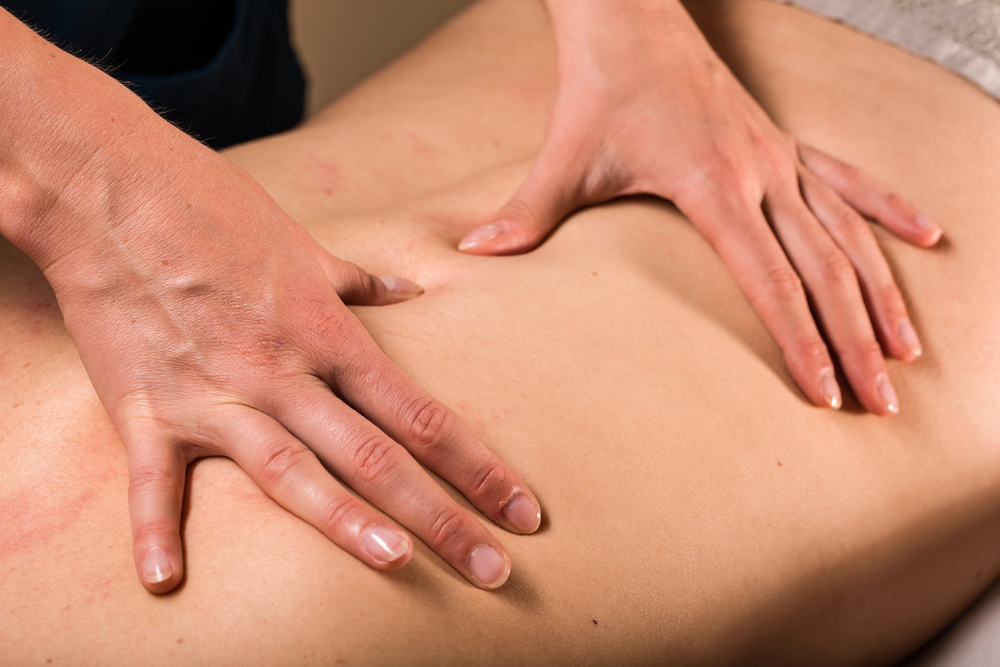
Deep tissue massage is a more targeted form of massage therapy. It is designed to address the deeper layers of muscle and connective tissue in the body. It shares some similarities with Swedish massage in terms of technique. However, deep tissue massage focuses on applying sustained pressure to specific problem areas where chronic tension or injury has taken hold. It is a more therapeutic approach, commonly used by athletes, people with physically demanding jobs, and anyone dealing with recurring muscular issues that surface-level work cannot fully resolve.
Techniques Used in Deep Tissue Massage
Deep tissue massage uses many of the same foundational strokes as Swedish massage, but with significantly more pressure and a slower, more deliberate pace. The therapist works through each layer of muscle progressively, using their fingers, knuckles, forearms, and elbows to access deeper structures. Stripping is a common technique that applies deep gliding pressure along the length of a muscle fiber to release chronic holding patterns. Friction is applied more intensely than in Swedish work, targeting adhesions and scar tissue that can form within or between layers of muscle. The focus is on releasing specific areas of tightness rather than providing a full-body, flowing experience.
Who is Deep Tissue Massage Best For?
Deep tissue massage is best suited for people who are experiencing chronic pain, recovering from a muscle injury, or dealing with significant tightness that has not responded to lighter forms of bodywork. Athletes who regularly train at high intensity often use deep tissue massage as part of their recovery routine to address tight muscles, prevent injury, and maintain performance. It is also a strong option for people with postural imbalances, tension headaches stemming from tight neck and shoulder muscles, or those who spend long hours in physically demanding environments. If you have tried Swedish massage and found that it did not quite reach the areas causing you discomfort, deep tissue may be the step up you need.
Benefits of Deep Tissue Massage
The benefits of deep tissue massage are primarily therapeutic in nature. It is highly effective at relieving chronic pain in specific areas of the body, breaking up adhesions and scar tissue, and restoring fuller range of motion in restricted joints. Because it reaches the deeper layer of muscle and surrounding connective tissue, it can address the root cause of recurring tightness rather than just the surface symptoms. Many clients find significant pain relief after just a few sessions, particularly in areas like the lower back, neck, and shoulders. Deep tissue massage also helps to increase blood flow to targeted muscle groups, which supports healing and reduces inflammation over time.

Deep Tissue vs Swedish Massage: The Key Differences
When comparing Swedish massage vs deep tissue, the distinctions come down to more than just how hard the therapist pushes. The goals, techniques, and appropriate use cases for each are meaningfully different. Here is a closer look at what sets them apart.
Pressure and Intensity
Pressure is the most obvious difference between the two styles. Swedish massage uses light to medium pressure throughout, which most clients find comfortable and relaxing from start to finish. Deep tissue massage uses firm to very firm pressure applied slowly and deliberately. This can feel intense, particularly in areas where significant tension has built up. It is not uncommon to feel some soreness in the days following a deep tissue session, especially if it is your first time or if you are addressing a particularly stubborn area of tightness.
Techniques and Stroke Styles
Swedish massage favors long, flowing strokes that move in the direction of the heart. This supports circulation and creates a smooth, continuous rhythm throughout the session. Deep muscle massage techniques tend to be shorter, more localized, and applied against the grain of muscle fibers to break up adhesions. While both styles use effleurage and petrissage, the application differs significantly in depth, speed, and intention.
Goals and Intended Outcomes
The goals of each type of massage are distinct. Swedish massage prioritizes relaxation, stress relief, and general well-being. It is designed to calm the nervous system, improve mood, and leave the client feeling at ease. Deep tissue massage, by contrast, prioritizes structural change. Its primary aim is to resolve specific physical complaints, such as chronic pain, muscle tension, or injury-related restrictions. The outcome of a deep tissue session is often more physically focused. Swedish massage tends to address both the body and the mind.
Full Body vs Targeted Treatment
Swedish massage is almost always performed as a full-body treatment, spending time across all major muscle groups to create a sense of overall balance and ease. Deep tissue massage is more often applied in a targeted manner, spending extended time on specific problem areas rather than moving evenly through the whole body. Depending on what you are working on, a deep tissue session might focus primarily on the back, shoulders, and neck, or on the hips and legs. This targeted approach makes it more efficient for addressing localized issues. However, it may not provide the same whole-body sense of renewal that Swedish massage offers.
Which Massage is Better for Pain Relief?
For chronic pain and deep muscle tension, deep tissue massage is generally the more effective choice. Because it works through each layer of muscle and addresses adhesions in the connective tissue, it can get to the source of pain in a way that lighter bodywork cannot. Conditions like lower back pain, stiff necks, tight hip flexors, and pain relief following sports injuries often respond well to deep tissue work. That said, if your pain is related to stress and general overexertion rather than a structural issue, Swedish massage may provide sufficient relief by calming the nervous system and easing surface-level muscle tightness. Your massage therapist at Prana Endura can help you determine which approach is most appropriate for your specific situation.
Which Massage is Better for Stress and Relaxation?
Swedish massage is widely regarded as the gold standard for stress relief and relaxation. The gentle, flowing nature of the session activates the parasympathetic nervous system, which is responsible for the body’s rest-and-digest response. This shift helps reduce heart rate, lower blood pressure, and ease the physical symptoms of stress throughout the body. If your main goal is to decompress, reset, and feel genuinely pampered, a Swedish session is the clear choice. Deep tissue massage can also reduce stress, but the intensity of the pressure means it requires a higher level of tolerance and is not typically described as relaxing in the traditional sense. Many clients feel a profound sense of release after a deep tissue session, but it often takes a day or two for that relief to fully settle in.
What to Expect During Your Session at Prana Endura
Whether you book a Swedish or deep tissue session at Prana Endura, your experience will begin with a short intake conversation. Your massage therapist will ask about your health history, any areas of concern, and your goals for the session. This helps ensure the treatment is tailored specifically to your body and what it needs on that day.
During a Swedish session, you can expect to feel relaxed almost immediately. The pace is unhurried, the pressure is gentle to moderate, and the room environment is designed to support full mental and physical rest. During a deep tissue session, you may feel some discomfort as your therapist works through tight muscles and connective tissue. This is normal, but you should always communicate if the pressure becomes too intense. A good therapist will work with you to find a level of pressure that is effective without being overwhelming.
After your session, drinking plenty of water is encouraged to help flush out any metabolic waste that may have been released from your muscles during the treatment. Some mild soreness following a deep tissue session is normal and typically resolves within 24 to 48 hours.
Frequently Asked Questions
What is the main difference between a Swedish and deep tissue massage?
The main difference comes down to pressure, technique, and purpose. Swedish massage uses light to medium pressure with long, flowing strokes to promote relaxation and improve circulation throughout the whole body. It is ideal for stress relief, general wellness, and clients who are new to massage. Deep tissue massage uses firm, sustained pressure and slower strokes to target deeper layers of muscle and connective tissue. It is designed to address chronic pain, muscle tension, and areas of restricted movement. While both types of massage share some foundational techniques, the experience and outcomes are quite different. Swedish massage leaves you feeling calm and refreshed. A deep tissue focuses on resolving specific physical complaints that require more intensive work to resolve.
Does deep tissue massage hurt?
Deep tissue massage can involve some discomfort, particularly in areas where significant tension or adhesions have built up over time. Most clients describe the sensation as a productive kind of pressure, often referred to as a good hurt. It should never feel sharp, unbearable, or like something is wrong. A skilled massage therapist will always check in with you throughout the session and adjust pressure based on your feedback. Some mild soreness in the treated areas is normal in the day or two following a deep tissue session. It feels similar to how muscles feel after a workout. If you are concerned about pain tolerance, it is worth discussing your preferences during your intake so your therapist can tailor the session accordingly.
Should I get a Swedish or deep tissue massage for back pain?
It depends on the type and cause of your back pain. If your back pain is related to stress, tension from sitting for long periods, or general overexertion, a Swedish massage can provide meaningful relief by relaxing the muscles and calming the nervous system. If your back pain is chronic, recurring, or connected to specific tight muscles, scar tissue, or postural imbalances, a deep tissue massage is likely a better fit. It can address the deeper structures contributing to your pain and help restore greater mobility and comfort over time. When in doubt, speaking with your massage therapist before booking is always a good idea. They can assess your situation and recommend the most appropriate approach.
How often should I get a deep tissue massage?
For most people with chronic pain, starting with one deep tissue session every one to two weeks is reasonable. As your body responds to treatment and the targeted areas begin to release, you may be able to space sessions further apart, moving to once a month for maintenance. The right frequency depends on your goals, the severity of your condition, your budget, and how well your body recovers between appointments. Your massage therapist can help create a recommended schedule based on your specific needs. Listening to your body is key. If you feel fully recovered and pain-free, a monthly session may be all you need.
Is Swedish massage good for beginners?
Yes, Swedish massage is an excellent starting point for anyone new to massage therapy. The pressure is gentle enough to be comfortable for most people, and the full-body format gives you a well-rounded introduction to what massage can do for your body. There is no expectation of pain or discomfort, and the overall experience is designed to feel soothing and restorative from start to finish. Many clients who start with Swedish massage find that over time, as their body becomes more accustomed to regular bodywork, they enjoy gradually working up to deeper pressure when needed. If you have any concerns or questions before your first session, the team at Prana Endura is always happy to walk you through what to expect.