
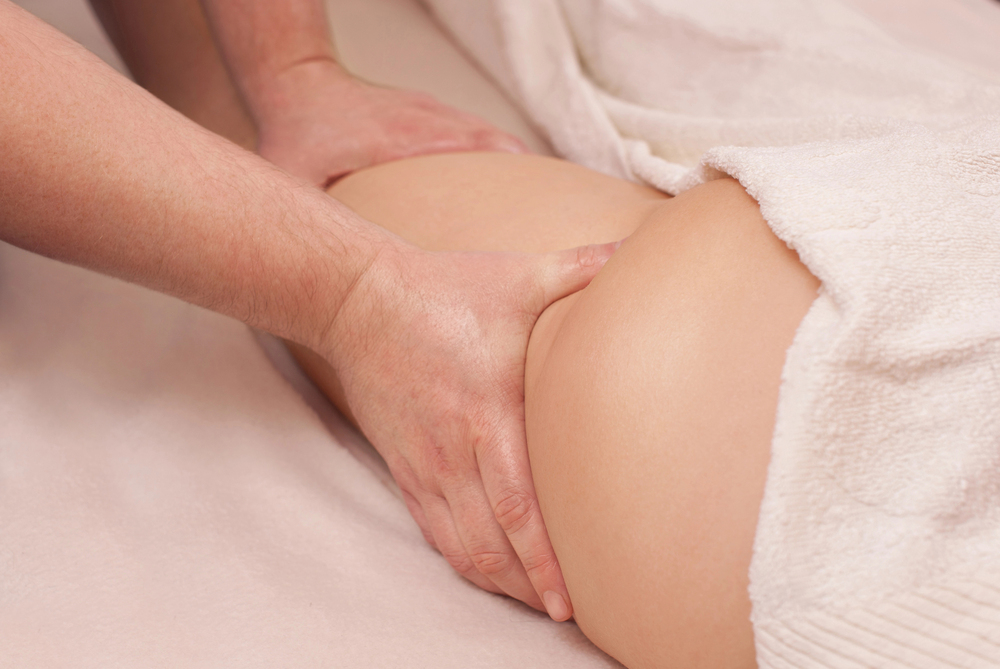
The lymphatic drainage massage benefits do not stop at relaxation. It is a very gentle method of supporting the body’s natural ability to move fluid, reduce swelling, and promote healthy circulation. It has become a method for many people to manage inflammation, reduce fluid retention, or recover from medical procedures. Others seek it out as a way to boost the immune system without adding stress to the body.
In contrast to deep tissue massage, lymphatic drainage massage targets not the muscles, as deep tissue massage does, but the lymphatic system. Light, rhythmic strokes stimulate the flow of lymph fluid through the lymphatic vessels. An explanation of this system’s function can help clients determine whether lymph drainage massage is what they need.
What is lymphatic drainage massage?
The purpose of a lymphatic drainage massage is to facilitate smooth lymph flow throughout the body using gentle pressure that targets the lymphatic system rather than the muscles.
The aim here is to assist the fluid move more freely through the lymphatic vessels and lymph nodes so that excess fluid, waste, and toxins can be processed and eliminated from the body. When injury, illness, surgery, or inflammation impede lymph flow, it can lead to an accumulation of excess fluid in tissues.
Some massage therapists use tools like the Ballancer Pro system. Compression therapy, including that from the Ballancer Pro, can be an effective way to promote lymph flow and relieve fluid retention, particularly in areas such as the arms or legs.
How the lymphatic system works
The lymphatic system is essential in circulation and the immune system. It consists of lymphatic vessels, lymph nodes, and organs that carry lymph fluid from one part of the body to another. The lymph fluid contains white blood cells, proteins, and other substances that need to be filtered.
Unlike the cardiovascular system, the lymphatic system lacks a central pump, such as the heart. It relies on movement, breathing, and even gentle stimulation like lymph drainage massage to keep lymph fluid in motion. When the flow slows, fluid retention in tissues becomes more likely.
For example, treatments involving breast cancer, conditions such as rheumatoid arthritis, injuries, or prolonged inactivity can all impede the lymphatic flow. Over time, the body can experience chronic swelling, inflammation, or discomfort. A lymphatic drainage massage can be very beneficial in helping the body restore proper lymph flow.
Lymphatic drainage massage benefits
The benefits of lymphatic drainage are not just for relaxation. They support short-term recovery and long-term wellness. Some of the most common lymphatic massage benefits include:
Reduced swelling and fluid retention
One of the most well-known drainage massage benefits is the ability to reduce swelling and fluid accumulation. This is achieved by stimulating the lymph flow toward the lymph nodes.
This is particularly beneficial after surgery, during injury recovery, or in people who experience swelling in the arms or legs. It may also help drain fluid retention caused by hormonal changes or prolonged sitting.
Improved circulation and detox support
The benefits of lymphatic drainage include better lymph fluid and blood circulation. Improved flow helps remove waste products more efficiently.
This supports the body’s natural detox processes and can relieve heaviness or congestion. Many clients notice more energy and ease after treatment.
Support for immune system function
The immune system relies on the lymphatic system to move immune cells and filter pathogens. When the lymph flow improves, the lymph nodes work more effectively.
Because lymphatic drainage massage enhances the body’s natural detox and defense systems, it may support the immune system and reduce the risk of minor illnesses, especially for those with chronic inflammation or immune disorders.
Reduced inflammation and tissue tension
Inflammation often includes swelling and sluggish circulation. Lymph drainage massage can help reduce this by supporting nutrient and oxygen delivery to tissues.
This light-touch approach is ideal for clients with sensitive or irritated tissues. It differs significantly from deep tissue massage, which focuses on deeper muscular relief.
Reduced pain
Lymphatic drainage massage can help relieve pain caused by excess fluid, pressure, or inflammation. By moving lymph fluid out of the area, it reduces pressure on surrounding tissues.
This is especially useful for clients with rheumatoid arthritis, post-injury swelling, or breast cancer treatment side effects. With consistent sessions, many people report less pain and more comfort.
Who can benefit from lymphatic drainage massage?
Lymphatic drainage massage is helpful for a wide range of people, even those without medical conditions. It’s particularly beneficial for surgical recovery, managing lymphedema, or relieving fluid retention.
People recovering from breast cancer treatment may benefit from lymph drainage massage, with guidance from their care team. Those with autoimmune conditions like rheumatoid arthritis may see a reduction in swelling and discomfort.
It also supports people who sit for long hours, travel often, or are prone to fluid retention. Athletes may use it to support recovery after intense training or injury.
Lymphatic drainage massage can be offered by licensed massage therapists in spas and clinics.
What to expect during a lymphatic drainage massage
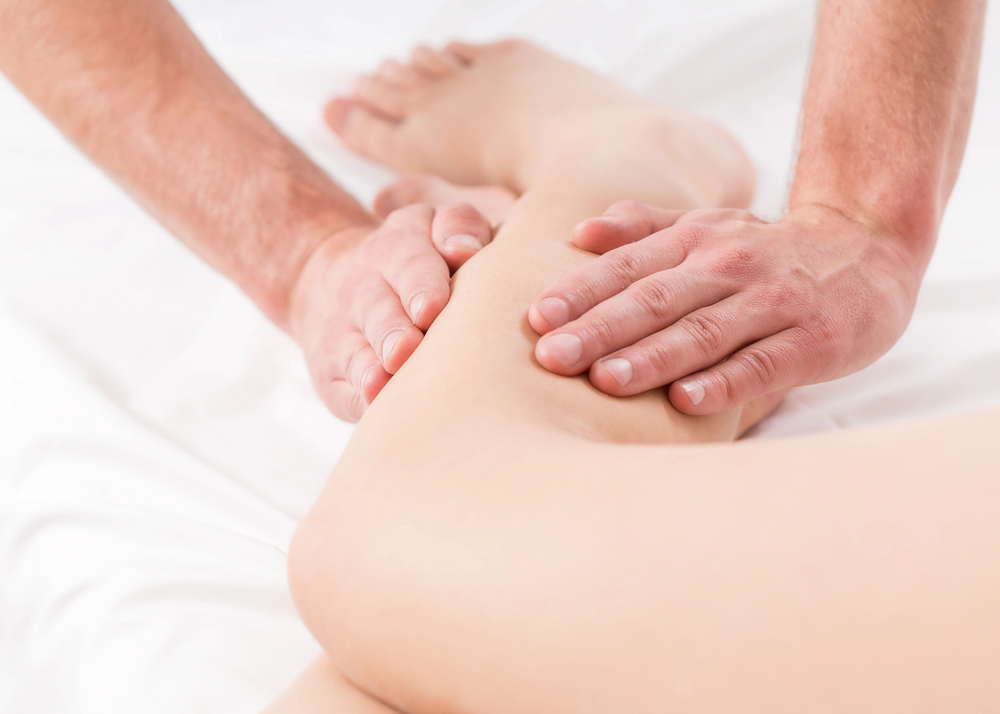
A lymphatic drainage massage is gentle and methodical. The massage therapist uses light, pulsing motions that mimic the stimulation of the lymph nodes.
Sessions typically begin near major lymph nodes to stimulate lymph flow, then address other areas such as the arms or legs, abdomen, or face.
Clients often report feeling deeply relaxed. After the massage, some may experience increased urination, light fatigue, or an overall sense of lightness due to the release of excess fluid.
How often lymphatic drainage massage is recommended
Frequency depends on individual health needs. Many include lymphatic drainage massage once or twice per month in their wellness routines.
For recovery or managing fluid retention, more frequent sessions may be necessary at first. As the lymphatic system improves, frequency may taper.
Consistency tends to be more effective than intensity. Gentle, regular sessions are more supportive than sporadic treatments.
Working with a licensed massage therapist for lymphatic drainage
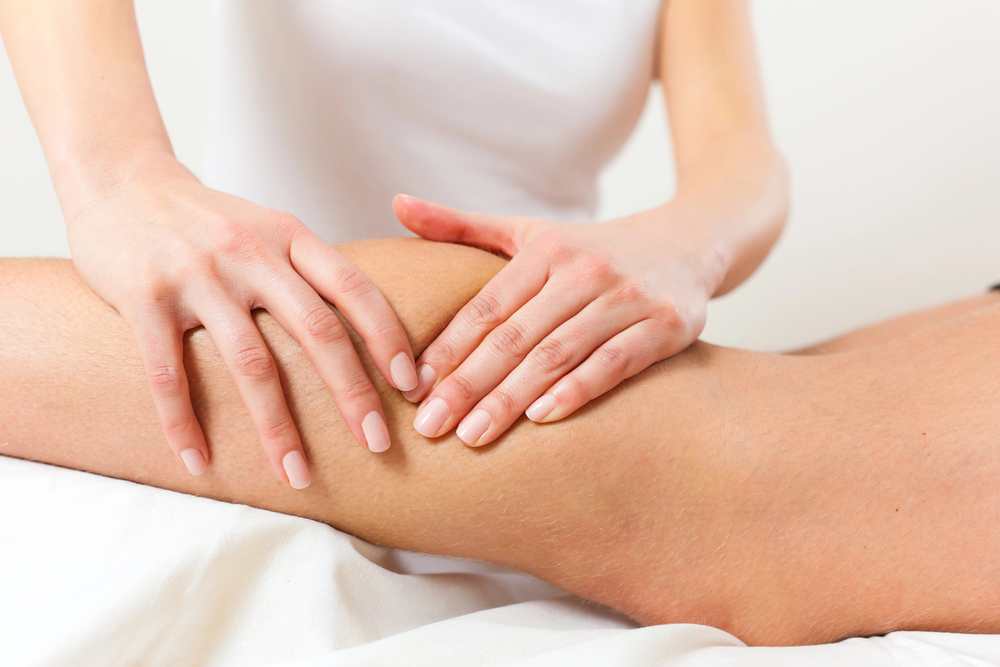
It’s essential to receive lymphatic drainage massage from a trained and licensed massage therapist. They will know how to effectively direct lymph fluid toward the lymph nodes and tailor care to your needs.
A skilled therapist will review your health history and wellness goals before deciding whether lymph drainage massage, deep tissue massage, or another method is most appropriate.
If you have medical conditions, have had recent surgery, or are currently ill, coordinating with your doctor is advised.
Frequently asked questions
What happens to your body after lymphatic drainage massage?
After a lymphatic drainage massage, the body starts eliminating excess fluid and waste through natural detox processes. Many clients report increased urination, less swelling, and a lighter feeling overall. Some may feel slightly tired as the lymphatic system rebalances.
How frequently should you have a lymphatic drainage massage?
It depends on your goals. For general wellness, once or twice per month is often enough. For recovery or managing fluid retention, weekly sessions may be ideal in the short term.
When is the best time to perform a lymphatic drainage massage?
The ideal time is when the body is well-hydrated and calm. Many choose morning sessions to stimulate the lymphatic system early in the day. Your massage therapist can help decide what timing works best for your needs.