
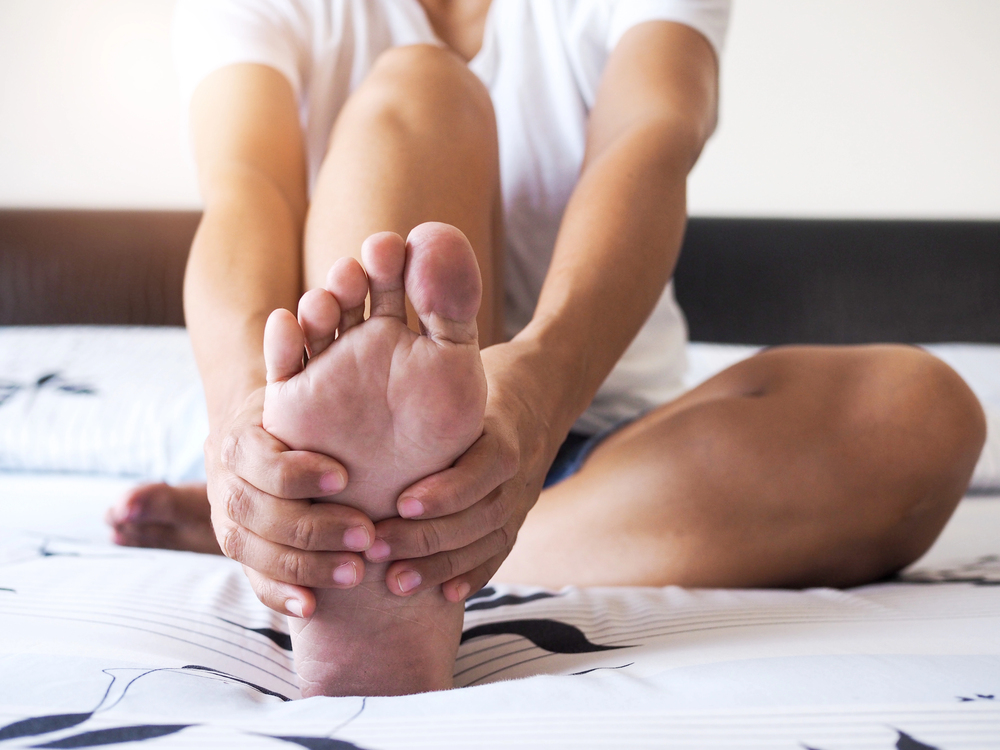
If you’ve ever woken up with stabbing heel pain that eases as the day goes on, you might be dealing with plantar fasciitis. This common condition affects millions of people, especially those who are on their feet for long hours or wear unsupportive footwear. The good news is that therapeutic massage can offer real relief by targeting the root causes of plantar fasciitis and supporting long-term healing.
What is plantar fasciitis?
Plantar fasciitis is inflammation of the plantar fascia, a thick band of tissue that runs along the bottom of the foot, connecting your heel bone to your toes. This fascia helps support the arch of the foot and absorbs shock during walking and running.
When it becomes overstretched or overused, microtears can develop, leading to inflammation and pain. The pain is often most intense in the morning or after periods of rest, and it typically affects the heel or arch of the foot.
Common causes of plantar fasciitis
There’s no single cause of plantar fasciitis, but several risk factors increase the chances of developing it:
- Prolonged standing or walking, especially on hard surfaces
- Flat feet or high arches
- Tight calf muscles or Achilles tendons
- Unsupportive shoes or worn-out footwear
- Increased physical activity or weight gain
- Running or walking on uneven terrain
Understanding the underlying cause can help guide your treatment approach, including massage therapy.
How massage helps with plantar fasciitis
Massage for plantar fasciitis focuses on releasing tension, increasing blood flow, and breaking up adhesions in the fascia and surrounding muscles. When done regularly, massage can reduce inflammation, ease pain, and promote faster healing.
Some of the key benefits include:
- Increased circulation: Encourages oxygen and nutrients to flow to the injured area, helping tissue repair
- Fascial release: Breaks up adhesions and scar tissue in the plantar fascia to restore mobility
- Reduced tension: Loosens tight calf muscles and Achilles tendons that contribute to plantar strain
- Pain relief: Stimulates the body’s natural painkillers (endorphins) and reduces nerve sensitivity
Massage can also help correct muscular imbalances in the legs and feet, which may be contributing to the condition.
Best massage techniques for plantar fasciitis
We often combine several techniques when working with plantar fasciitis. These may include:
- Deep tissue massage: Targets deep layers of muscle and fascia in the foot and calf to relieve chronic tension
- Myofascial release: Gently stretches and releases the fascia, especially on the sole of the foot
- Trigger point therapy: Focuses on releasing knots in the calf, foot, and ankle that refer pain to the heel
- Cross-fiber friction: Breaks down scar tissue and encourages healthy tissue alignment
Many clients find that even one targeted massage session can bring noticeable relief, though consistent treatment over several weeks is often most effective.
Self-care tips between massage sessions
Massage for plantar fasciitis works best when combined with at-home care. Here are a few simple strategies to speed up healing:
- Stretch your calves and feet daily
- Use a foam roller or massage ball to release tension at home
- Wear supportive shoes with good arch support
- Avoid walking barefoot on hard surfaces
- Rest when needed, especially after flare-ups
- Apply ice after long periods of standing or walking
These practices can help maintain progress between massage sessions and prevent future flare-ups.
Book a massage
If heel pain is interfering with your daily life or has lasted more than a few weeks, it’s time to get support. Book a session with us today and discover the difference massage therapy can make. We offer personalized sessions ranging from 30 to 120 minutes, with techniques tailored to your needs. Our experienced therapists are here to help!